History of Neys POW Camp
Neys (Camp W/Camp 100)
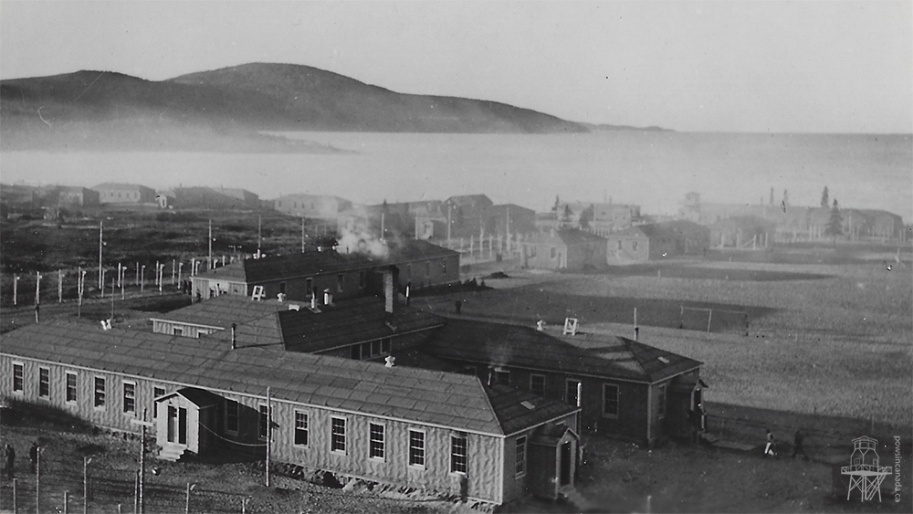
powsincanada.ca/…/camp-100-neys
What is Neys?
According to an Ontario Parks Canada blog post (reference below), the name Neys, which is currently the official name for Neys Provincial Park in northern Ontario, derived its name from a railway worker who worked for the Canadian Pacific Railway (CPR) in 1885. At that time the workers constructed a siding which is a railway track that runs parallel to the main line. This is where trains can pull over to refuel or load supplies.
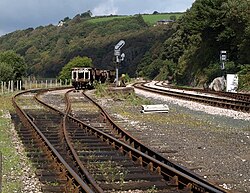
A young man named Doheyneys worked on the siding and the railway workers nicknamed the piece of track Neys, after their co-worker. The name stuck. The CPR continued to refer to that isolated area of track as Neys.
Why was Neys Camp Built?
During WWII, as housing POWs in Britain became a problem, an inspector for the Canadian Department of National Defense recognized, for several reasons, the area known as Neys was an ideal location to incarcerate German POWs in Canada. Firstly, the natural environment provided borders of impenetrable forests, mosquito-infested swamps and the icy waters of Lake Superior. Additionally, the combination of sandy soil and hard bedrock made it impossible for tunneling. Secondly, the area was isolated. No densely populated towns or cities were close by. Thirdly, the site was close to the CPR line which could be used to transport the prisoners safely. And lastly, the prisoners could be used as POW labour at the nearby Pigeon Lumber Company situated along the Little Pic River.
Construction of the camp began in 1940 and the camp was ready for occupation by January, 1941. Initially, Neys was identified as Camp W and later re-identified as Camp 100. However, the CPR continued to refer to the area as Neys.
The camp existed as a German POW camp from January 1941- May 1946. Over these five years the camp housed combatant officers, enemy merchant seamen, and for a time, some of the most troublesome pro-Nazi prisoners, known as "Blacks", who were sent for re-education.
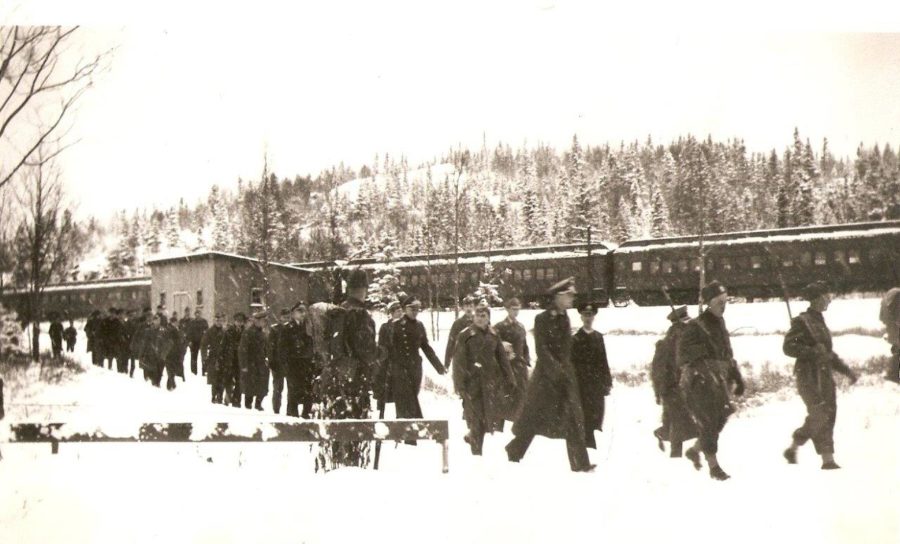
Treatment of the German POWs
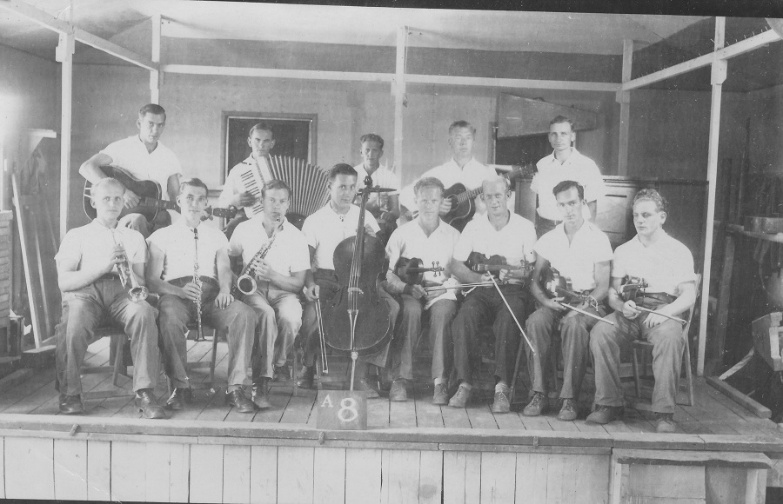
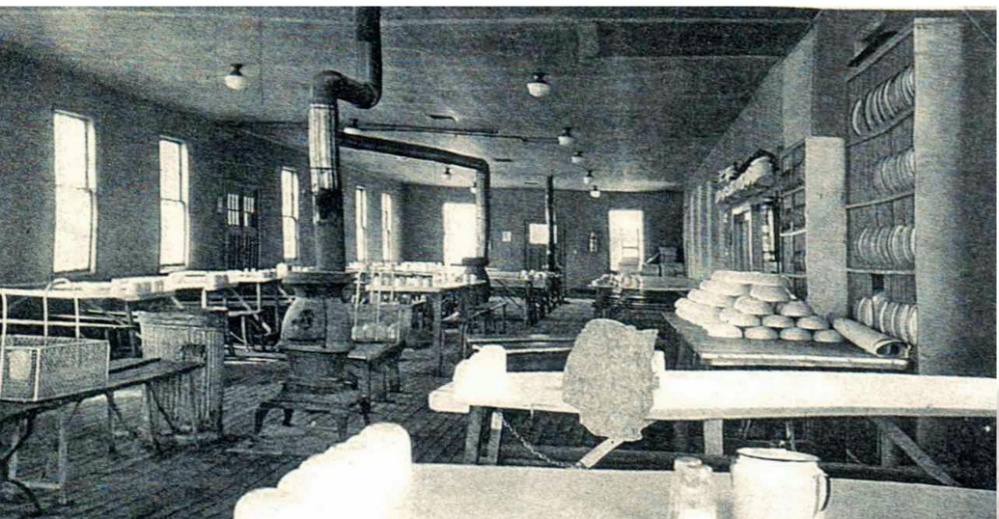
Strict adherence to the Geneva Convention was practiced and the German POWs were provided with a library, music and theater opportunities, art supplies, skating equipment and hockey rinks, educational courses, warm clothing and boots appropriate for the cold weather, swimming privileges, and excellent food.
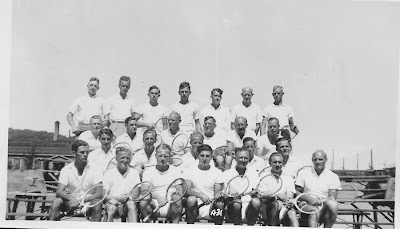
In 1943 some of the POWs began working for the Pigeon Timber Company, living in bush camps outside of the prison and earning a salary.
September 2, 1945, Emperor Hirohito, while aboard the USS Missouri, officially signed documents bringing WWII to an end. Over the next five months, the Canadian Government started transferring the German POWs to the United Kingdom for repatriation. By the end of March, 1946, the camp was empty. All of the comforts ensured by the Geneva Convention were stripped away. Reportedly 4000 German POWs applied to return to Canada to live because they were treated so well while incarcerated.
Neys for the Japanese Canadians
The Veterans Guard of Canada was called in to police a new set of POWs although they were never told who. Expecting another wave of Pro-Nazi agitators, they prepared for the worst, rifles at the ready.
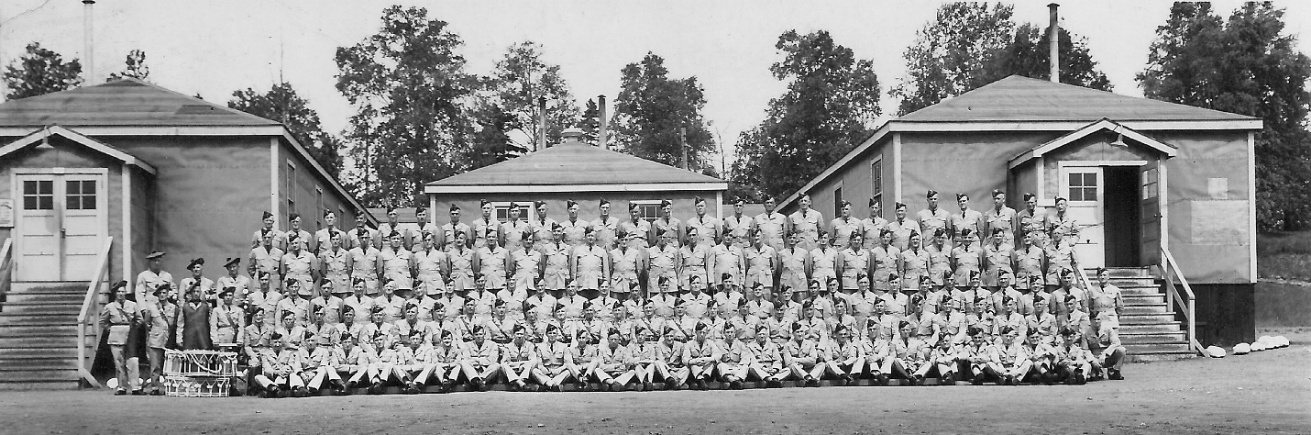
According to one first-hand account, some guards were shocked and even angered to witness hundreds of bedraggled, starving, dehydrated, travel worn, women, children (including infants) and elderly being trucked in from the railway siding and dumped at the camp gates.
Hence began the incarceration of Japanese Canadians at the newly named Neys Camp, sometimes also referred to as the Neys Hostel, one year after the war was over. Although detailed records were maintained on the treatment of the German POWs, no records were maintained for the incarceration of the Japanese Canadians at Neys. During the war, the Canadian Department of National Defense and the British Columbia Security Commission washed their hands of the Japanese Canadians they had unjustly and unethically incarcerated and turned over the management of the Japanese Canadians to the Department of Labor. This was so cheap labor could be extorted from the incarcerated males. The women and children had no value. The only records maintained were the production records for the companies who benefitted from the Japanese Canadian imprisonment.
Some 500-600 Japanese Canadian women and children were held in Neys, under guard, behind barbed wire, between 3-5 months, suffering deplorable conditions. There were three deaths. Two were children. The Canadian government did not feel the Geneva Convention applied to these women and children. The only records of this horrific time in history are through anecdotal histories. These Japanese Canadians were sent to Neys because, as Canadian citizens (many born in Canada) they refused to be deported to Japan. They remained in Canada, as prisoners, deprived of their own personal property, businesses, homes, education, monies, and most importantly, their dignity because Canada was their home.
Acknowledgement
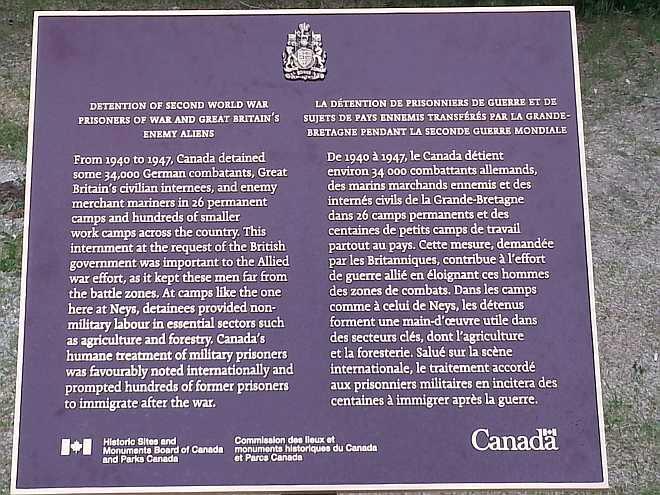
Interestingly, the Canadian Government erected a plaque at Neys commemorating the German POWs incarcerated there. There is no mention of the Japanese Canadians who lived and died there. None.
northernontario.travel/…/prison-park-unveilin
When the Japanese Canadians were finally released, the camp was destroyed and no records exist referring to what actually happened during that time. No photographs were allowed. According to Lemelin, Beaulieu, and Ratz (2019), "some historical markers like the one established at Neys Provincial Park commemorated the POW camp, but do not identify the internment of Japanese–Canadians at this site, thereby commemorating one part of our history while disregarding other, perhaps more uncomfortable narratives" (p.5).
Kaz and I wrote our novel, Destination: Neys, to reveal the uncomfortable narrative that was buried in this site.
Ressources:
Lemelin, R.H., Beaulieu, M.S., & Ratz, D.K. (2019). "Everything changed!" – the ramification of the Second World War on the Canadian North.
- Ontario Parks: https://blog.ontarioparks.ca/train-neys/
- Michael O'Hagan website: https://powsincanada.ca/pows-in-canada/internment-camps/camp-100-neys/
- Nipigon Museum: nipigonmuseumtheblog.blogspot.com/…/pow-camp-neys-ontari